For global retirees and expatriates, maximizing Social Security benefits requires a strategic and informed approach that extends beyond typical retirement planning. Navigating the complexities of receiving payments while living abroad involves understanding international agreements, tax implications, and crucial timing decisions. The age at which you decide to claim your benefits is one of the most significant factors affecting your monthly payments. While you can start as early as age 62, doing so results in a permanently reduced benefit. By delaying until your full retirement age (which varies depending on your birth year) or even until age 70, you can substantially increase your monthly income for the rest of your life. This decision should be based on your health, longevity expectations, and immediate financial needs.
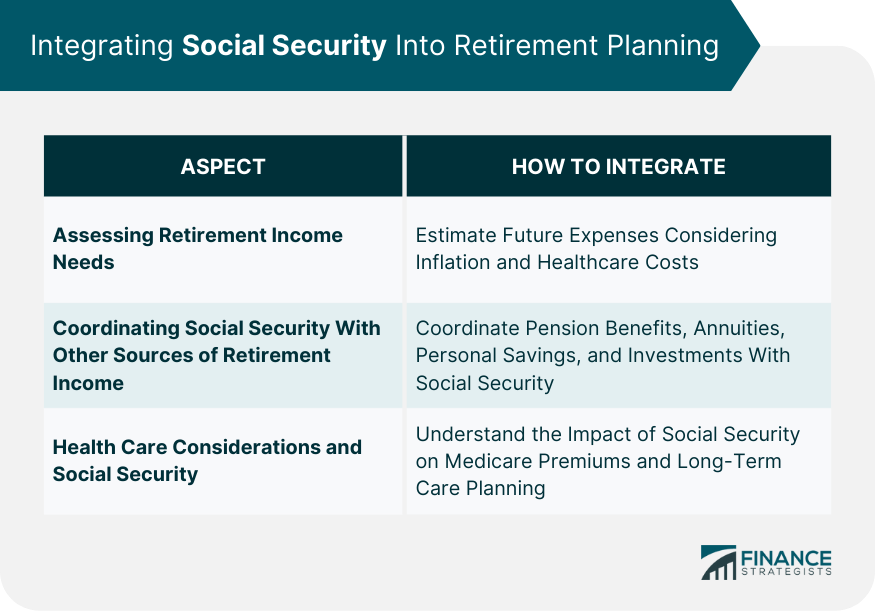
Living abroad introduces another layer of complexity. The United States has "totalization agreements" with numerous countries, which help prevent double taxation on social security contributions and allow individuals to combine work credits from both countries to qualify for benefits. It's crucial to know if your country of residence has such an agreement. Furthermore, U.S. citizens living abroad are generally eligible to receive their Social Security payments, but non-citizens may face restrictions depending on their country of citizenship and residency. You must also consider how your benefits will be taxed, both by the U.S. and your host country. Coordinating spousal or survivor benefits can also significantly impact a household's total retirement income. Given these variables, it is highly advisable to consult with a financial advisor specializing in cross-border retirement planning to create a comprehensive strategy that maximizes your hard-earned benefits and ensures a financially secure retirement, no matter where you choose to live.