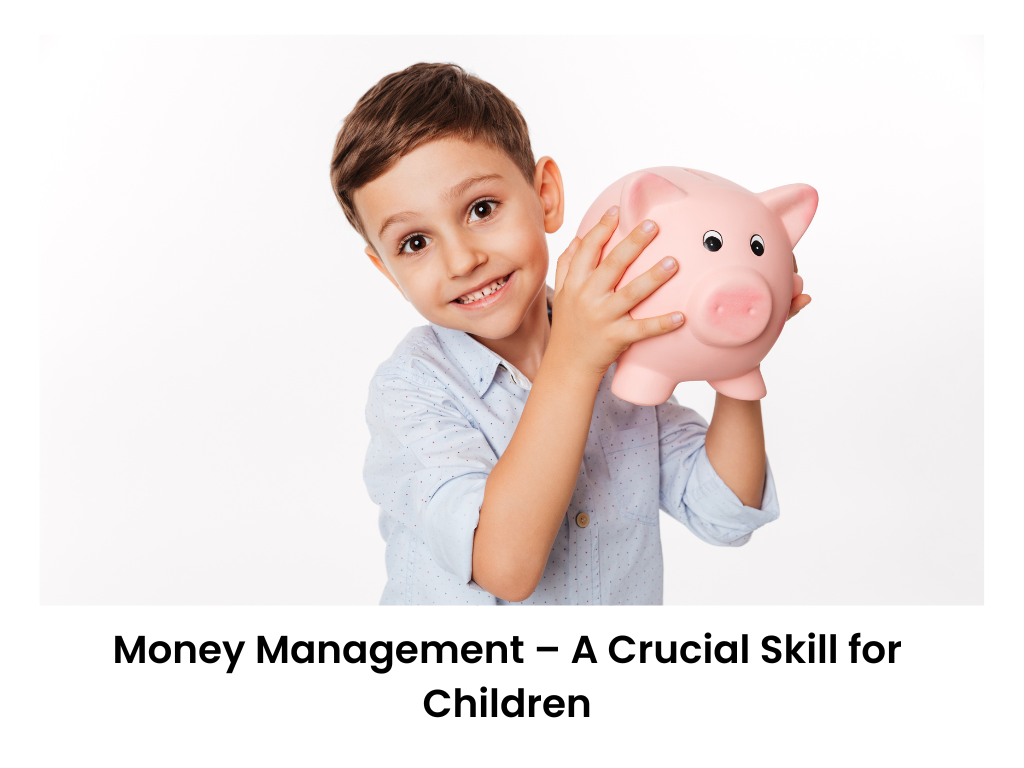
Teaching children about money management is one of the most important life skills a parent or educator can impart, laying the foundation for a lifetime of financial well-being. Financial literacy is not just about learning to count money; it’s about understanding its value, making thoughtful decisions, and developing habits of saving, budgeting, and responsible spending. Introducing these concepts early, in an age-appropriate manner, is key. For young children, this can begin with simple tools like a piggy bank to visualize the concept of saving for a desired toy. As they grow older, introducing a regular allowance in exchange for chores provides a practical opportunity to learn about earning and budgeting. This hands-on experience is invaluable for helping them grasp the fundamental trade-offs involved in managing a limited resource.
A crucial lesson in money management is distinguishing between needs and wants. Engaging children in conversations about family spending decisions, such as planning a grocery list or saving for a vacation, can make this concept tangible. Opening a child’s first savings account is another significant milestone, introducing them to the world of banking and the concept of earning interest. For teenagers, the lessons can become more advanced, covering topics like responsible credit card use, the basics of investing, and the importance of avoiding debt. Fostering an environment of open and honest communication about finances, free from shame or secrecy, is essential. By providing children with both knowledge and practical experience, we empower them to build a healthy relationship with money and navigate the complexities of the modern financial world with confidence and responsibility.