Investing in volatile markets can be daunting, but with the right strategies, periods of uncertainty can also present significant opportunities for growth. The key to success is to replace emotional, reactive decisions with a disciplined, long-term approach grounded in proven financial principles. A volatile market, characterized by rapid price swings, demands a blend of adaptability, patience, and strategic foresight. Rather than attempting to time the market—a notoriously difficult feat—successful investors focus on building a resilient portfolio that can withstand turbulence while capitalizing on downturns. The cornerstone of such a portfolio is diversification. By spreading your investments across a wide range of asset classes (such as stocks, bonds, and real estate), industries, and geographic regions, you can mitigate the risk of a downturn in any single area severely impacting your overall wealth.
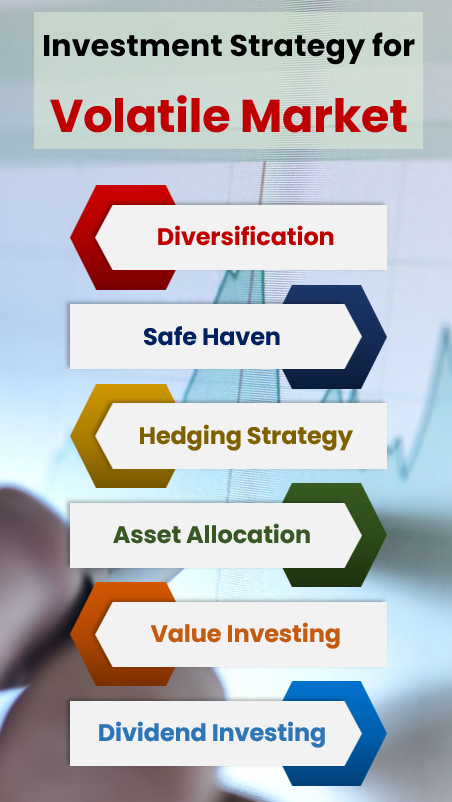
Another powerful technique for navigating volatility is dollar-cost averaging. This involves investing a fixed amount of money at regular intervals, regardless of market fluctuations. When prices are high, your fixed investment buys fewer shares, and when prices are low, it buys more. This strategy helps to average out your purchase price over time and reduces the risk of investing a large sum right before a market decline. It is also crucial to focus on high-quality investments with strong fundamentals rather than chasing speculative trends. During downturns, undervalued quality assets often become available at a discount, presenting excellent buying opportunities for long-term investors. Finally, regularly review and rebalance your portfolio to ensure it remains aligned with your risk tolerance and financial goals. By embracing these disciplined strategies, you can navigate market volatility with confidence and position your portfolio for sustainable, long-term success.