An emergency fund is the bedrock of financial security, acting as a crucial safety net that protects you from life’s unexpected challenges. Whether you're facing a sudden job loss, a medical crisis, or an urgent home repair, having a dedicated pool of savings allows you to handle the situation without derailing your long-term financial goals or resorting to high-interest debt. For international readers and expatriates, building this fund is even more critical, as you may face unique uncertainties like currency fluctuations or navigating unfamiliar healthcare systems. The standard recommendation is to save enough to cover three to six months of essential living expenses. While this may seem like a daunting goal, with a focused and aggressive strategy, you can build your emergency fund faster than you think.
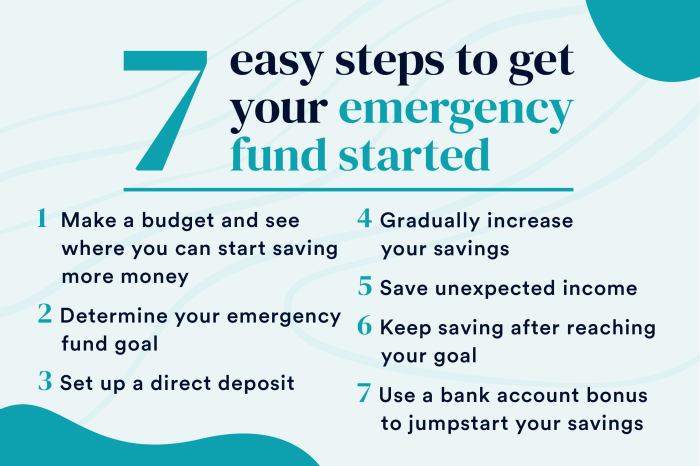
The first step is to calculate your target amount by totaling your essential monthly costs—housing, utilities, food, transportation, and insurance. Once you have your number, make saving for it your top financial priority. Automate the process by setting up a recurring transfer from your checking account to a separate, high-yield savings account immediately after you get paid. This "pay yourself first" approach ensures consistency. To accelerate your progress, aggressively cut back on non-essential spending temporarily. This could mean pausing subscriptions, cooking at home instead of dining out, and reducing entertainment costs. Simultaneously, look for ways to boost your income, whether through overtime, freelance work, or selling unused items. Every extra dollar should go directly into your emergency fund. Keep this fund liquid and accessible, but separate from your daily checking account to avoid the temptation of using it for non-emergencies. By adopting this disciplined and multi-pronged approach, you can rapidly build the financial cushion that provides invaluable peace of mind.