The landscape of wealth management is undergoing a profound transformation with the rise of digital assets. Cryptocurrencies like Bitcoin, non-fungible tokens (NFTs), and other blockchain-based assets are moving from the fringes of finance to become a legitimate, albeit volatile, component of modern investment portfolios. For forward-thinking investors and financial planners, ignoring this asset class is no longer an option. Integrating digital assets into a comprehensive financial plan requires a new level of understanding, one that balances the immense potential for growth with significant inherent risks. This evolution reflects a broader shift toward a more decentralized and technologically-driven financial ecosystem, presenting both unique opportunities and complex challenges for wealth preservation and creation on a global scale.
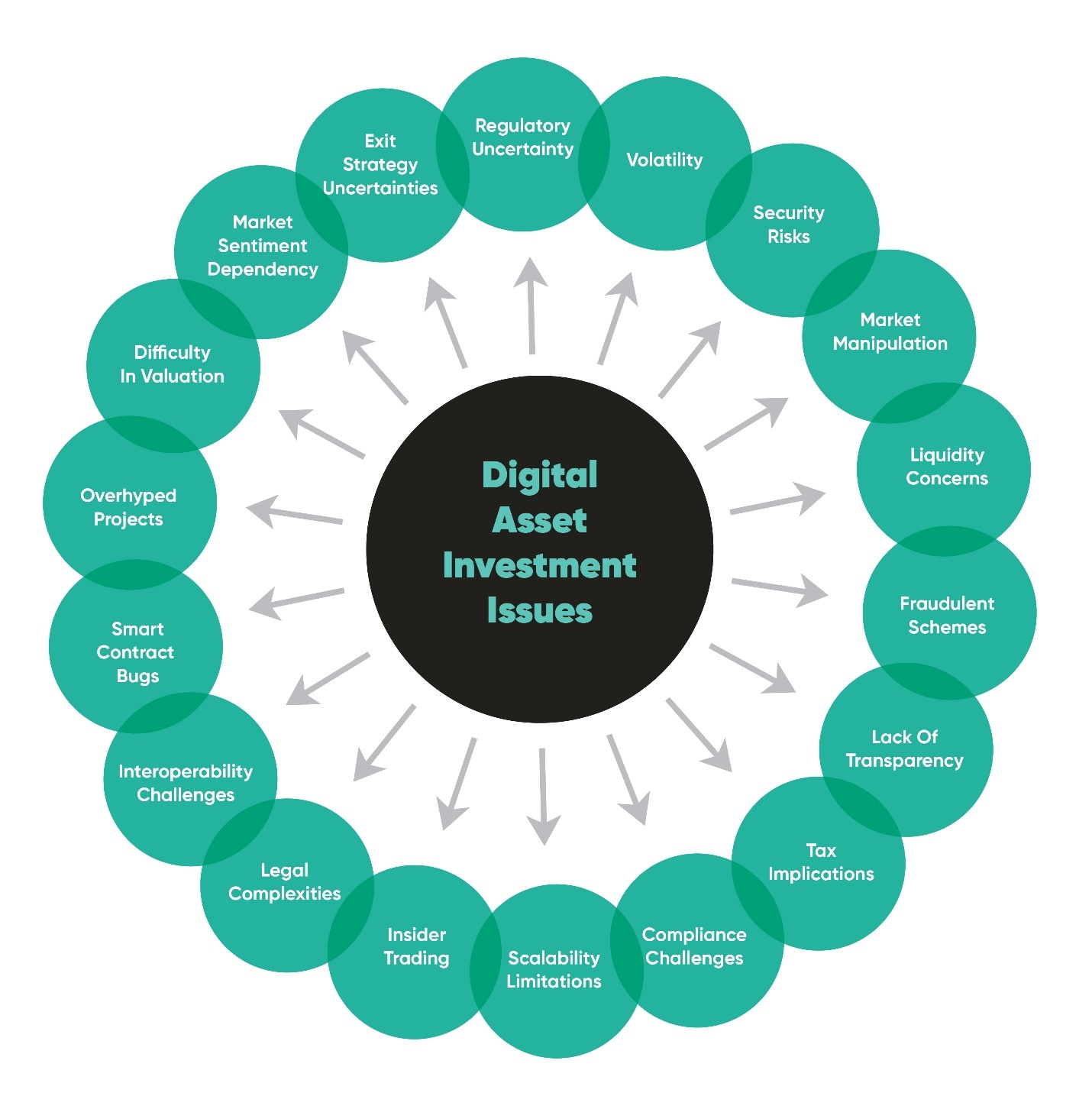
One of the primary attractions of digital assets is their potential to act as a hedge against inflation and to provide portfolio diversification, as their price movements are not always correlated with traditional markets like stocks and bonds. However, the extreme volatility, evolving regulatory environment, and security concerns associated with digital assets mean they are not suitable for every investor. A prudent approach to inclusion involves allocating only a small, speculative portion of a well-diversified portfolio to these assets—an amount that one can afford to lose. Financial planners now face the critical task of educating their clients on both the technology and the risks involved. As financial institutions begin to offer more regulated products like Bitcoin ETFs and secure custodial services, the integration of digital assets into mainstream financial planning will undoubtedly continue to expand, reshaping the very definition of a diversified investment strategy.